

Summary
A guide to the Sunnah practices during a solar or lunar eclipse—dhikr, duʿāʾ, charity, and the special ṣalāh al-khusūf, as taught by the Prophet ﷺ.
🌑 The Prophet ﷺ said:
'When you see the eclipse, pray, make duʿā’, remember Allāh, and give charity until it clears.'
During an eclipse, it is authentically reported that one is encouraged to:
1. Remember Allah (dhikr)
2. Seek forgiveness (istighfār)
3. Pray (ṣalāh)
4. Free slaves (‘itāq)
5. Supplicate (du‘ā’)
6. Give charity (taṣaddaqū)
7. Declare Allah’s greatness (kabbirū)
8. Seek refuge (fa-sta‘īdhū) from the punishment of the grave.
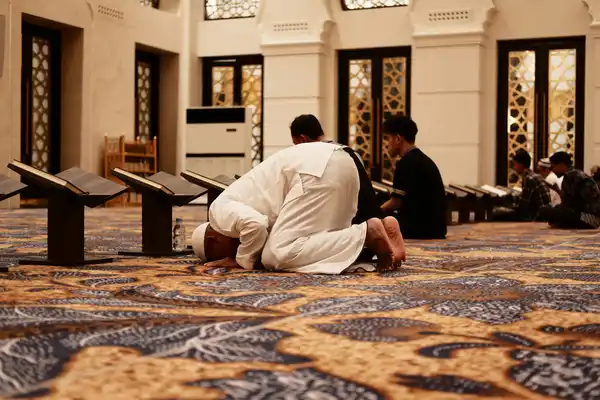
Salāh Khusūf
Regarding the ṣalāh 🕌; according to the MAJORITY of scholars (excluding the Hanafi Math-hab - (see final note); it consists of two units (Rakʿahs) (each with 2 standings, 2 recitations, 2 bowings, and 2 prostrations), as follows:
The First Unit (Rakʿah):
1. Takbīr (Allāhu Akbar). Begin the ṣalāh as you do with every ṣalāh.
2. Recite al-Fātiḥah and a long sūrah thereafter.
3. Move into the bowing (rukūʿ) position and complete a prolonged rukūʿ.
4. Rise from the rukūʿ saying: "Samiʿa Allāhu liman ḥamidah", and then say: "Rabbanā laka al-ḥamd."
5. Then remain standing and Recite al-Fātiḥah + another long sūrah (albeit shorter than the first Surah recited).
6. Move into the bowing (rukūʿ) position again and complete a long rukūʿ (shorter than the first).
7. Rise from the rukūʿ saying: "Samiʿa Allāhu liman ḥamidah", and then say: "Rabbanā laka al-ḥamd."
8. Fall into prostration and complete two long sujūd with the normal sitting between the two prostrations.
The Second Rakʿah:
Complete the same steps as the first Rakʿahs, albeit with every action and recitation being shorter than the first, and then end the ṣalāh with the Tashahhud and Salām.
*Note:
According to the Hanafi Math-hab: The ṣalāh consists simply of two rakʿahs like any other prayer (without extra rukūʿs).
Comments